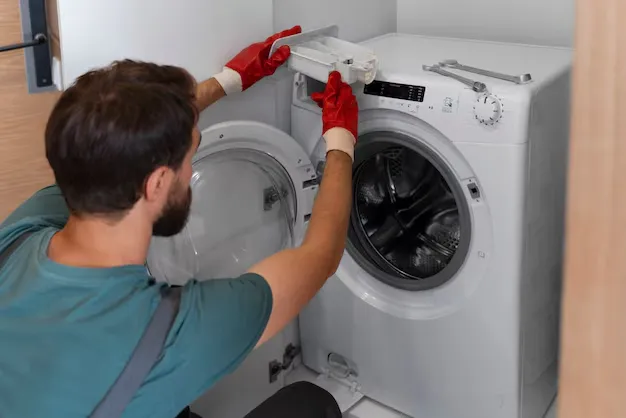
Fitting a washing machine may seem straightforward, but it involves careful planning to prevent leaks, vibrations, and electrical hazards. Whether you are a DIY enthusiast or considering hiring a professional, understanding the full process is essential for safety, efficiency, and compliance with UK standards. This guide covers everything from preparation to troubleshooting and includes London-specific cost insights and local service options.
Why Proper Installation Matters
Installing a washing machine incorrectly can lead to water damage, electrical hazards, and appliance malfunctions. Transit bolts left in place can cause excessive vibration, improperly connected drain pipes may lead to leaks, and unlevel machines can damage your flooring or the appliance itself. Proper fitting ensures:
- Smooth operation with minimal vibration
- Safe water and electrical connections
- Long-term appliance reliability
- Compliance with Part P electrical regulations and UK plumbing codes
Tools and Materials You’ll Need
Before starting, gather all necessary tools and materials. Having everything at hand saves time and ensures proper installation.
Essential Tools:
- Adjustable wrench and pliers
- Spirit level for accurate leveling
- Teflon tape for threaded connections
- Hose clamps
- Screwdriver set
- Bucket or small tray to catch water during hose setup
Materials and Components:
- Inlet hose(s) for water connection
- Drain hose and standpipe or sink adapter
- Transit bolts removal tool or wrench
- Rubber pads or anti-vibration mats (optional but recommended)
Step-by-Step DIY Installation
Follow this step-by-step guide to fit a washing machine safely:
1. Prepare the Installation Area
- Ensure the floor is level and stable.
- Check that water supply and drainage points are accessible.
- Confirm electrical outlets are properly grounded and compliant with Part P regulations.
2. Remove Transit Bolts
- Transit bolts secure the drum during transport.
- Use a wrench to remove them completely; failure to do so can cause noise and internal damage.
3. Connect Water Supply
- Attach the inlet hose to the washing machine and then to the water tap.
- Wrap Teflon tape around threaded connections to prevent leaks.
- Open the tap to check for drips before proceeding.
4. Install the Drain Hose
- Place the drain hose into a standpipe or over a sink edge with a secure clip.
- Ensure the hose is not kinked or excessively long to avoid blockages.
5. Level the Machine
- Use a spirit level to adjust feet until the machine sits perfectly flat.
- Anti-vibration mats can further reduce movement and noise during spin cycles.
6. Electrical Connection
- Plug the machine into a grounded socket.
- Avoid using extension cords; they can be hazardous with high-current appliances.
7. Test Run
- Run a short cycle without laundry to check for leaks, drainage issues, and vibrations.
- Adjust hose connections or leveling as needed.
Best Washing Machines & Appliances in London – Expert Installation Available
Shop top-quality washing machines, washer-dryers, and integrated appliances at our London store. Get trusted brands like Bosch, Samsung, and LG with professional same-day installation and local support. Upgrade your home efficiently reliable appliances, fair prices, and expert service all in one place!
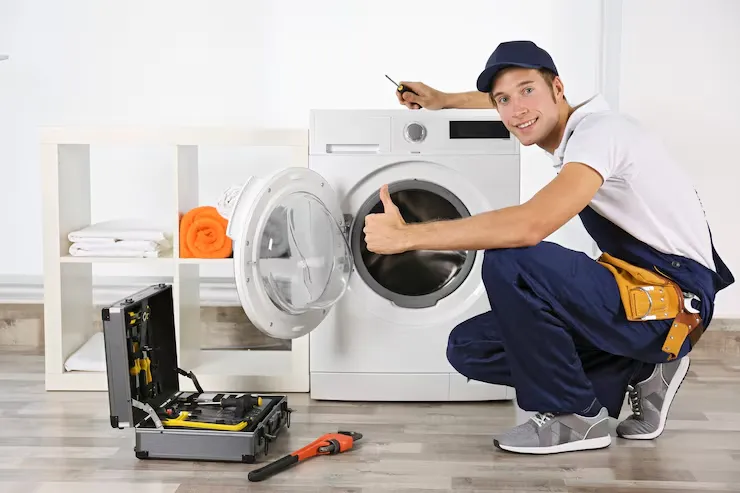
DIY vs Professional Installation
Deciding whether to fit your washing machine yourself or hire a professional depends on several factors:
| Factor | DIY Installation | Professional Installer |
|---|---|---|
| Cost | £50–£70 | £80–£120+ |
| Time | 1–2 hours | 45–60 minutes |
| Safety | Requires care and compliance knowledge | Fully certified, compliant |
| Tools Required | Full set needed | Provided by installer |
| Warranty Impact | Some brands may void warranty if uninstalled professionally | Warranty preserved |
For first-time users or those with complex plumbing setups, professional installers in London neighborhoods like Kensington, Chelsea, and Westminster can save time and ensure safety.
Appliance Types and Installation Nuances
Freestanding Washing Machines
- Most common type, easy to place near water and drain points.
- Flexible hose connections allow simple adjustments.
Integrated Washing Machines
- Built into kitchen units; require precise measurements and cabinetry adjustments.
- Professional installation is recommended to avoid damage to kitchen fixtures.
Washer-Dryers
- Combine washing and drying functions.
- Heavier than standard machines; leveling and drainage setup is critical.
Common Mistakes to Avoid
- Forgetting to remove transit bolts
- Incorrectly leveling the machine
- Kinking or improperly connecting hoses
- Overextending drain hoses, causing backflow
- Using ungrounded or overloaded electrical outlets
Cost Insights for London
Installation costs in London vary by neighborhood and service type:
| Service Type | Price Range (£) |
|---|---|
| DIY (self-fit) | 50–70 |
| Standard professional | 80–120 |
| Premium or complex installation | 120+ |
| Integrated unit fitting | 150–200 |
Local providers often include same-day installation or package deals for multiple appliances. Searching for “washing machine installation near me London” or specific neighborhoods can yield competitive rates.
Troubleshooting and Maintenance
Even after proper installation, occasional issues may arise:
- Leaking water: Check hose connections and seals.
- Excessive vibration: Ensure leveling and remove transit bolts.
- Drainage problems: Clean standpipe, check for blockages, ensure correct hose placement.
- Electrical errors: Confirm grounded sockets, avoid multi-plug adapters.
Regular checks and cleaning can extend the lifespan of your washing machine and prevent costly repairs.
Local Considerations in London
London-specific factors to consider:
- Older flats may have non-standard plumbing or tight spaces, requiring professional expertise.
- High-rise buildings often require water pressure adjustments or drainage pumps.
- Local service providers frequently advertise on Google Maps and directories; look for certified plumbers or appliance fitters with verified reviews.
FAQs
1. Can I install a washing machine myself in London?
Yes, with the right tools, knowledge of transit bolt removal, water, and electrical connections, DIY installation is possible.
2. How do I connect a washing machine to water and drain?
Attach the inlet hose to the tap, secure the drain hose to a standpipe or sink, and check for leaks before the first cycle.
3. How much does washing machine installation cost in London?
DIY costs £50–£70; professional installation ranges from £80 to £120+, with premium services higher.
4. What tools do I need to fit a washing machine?
You will need a wrench, pliers, spirit level, Teflon tape, hose clamps, and a screwdriver set.
5. How do I prevent washing machine leaks?
Ensure tight hose connections, check seals, remove transit bolts, and test the machine on a short cycle before regular use.
6. How long does installation take?
DIY installation usually takes 1–2 hours; professional services complete it in 45–60 minutes.
7. Can a beginner install safely?
Yes, if following step-by-step instructions, using proper tools, and observing safety standards like Part P electrical compliance.
8. What is the difference between freestanding and integrated washing machines?
Freestanding machines are independent units; integrated machines fit into kitchen cabinetry and often require professional installation.
9. How do I reduce vibration and noise?
Level the machine using adjustable feet, remove transit bolts, and consider anti-vibration mats under the appliance.
Conclusion
Fitting a washing machine in London is manageable with proper preparation, the right tools, and attention to safety standards. Whether you choose DIY installation or hire a professional, understanding water, drainage, leveling, and electrical connections ensures smooth operation and long-lasting appliance performance. By following step-by-step guidance and considering local factors, you can confidently install your washing machine without damage or unnecessary expense.