Choosing the right washing machine can make a big difference in how your kitchen looks and functions. The main difference between a freestanding washing machine and an integrated washing machine is how they are installed and how visible they are in your kitchen.
A freestanding washing machine is a standalone appliance that can be placed anywhere with a water connection. An integrated washing machine is built into kitchen cabinetry and hidden behind a cabinet door panel so it blends with fitted kitchen appliances.
Both washing machine types clean clothes effectively, but they differ in design, installation, cost, capacity, and flexibility. Understanding these differences helps homeowners, landlords, and kitchen designers choose the best option for their space—especially in cities like London where kitchen layouts vary widely.
What Is a Freestanding Washing Machine?
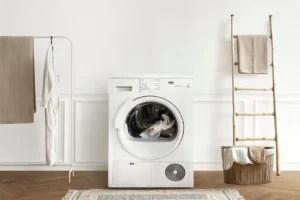
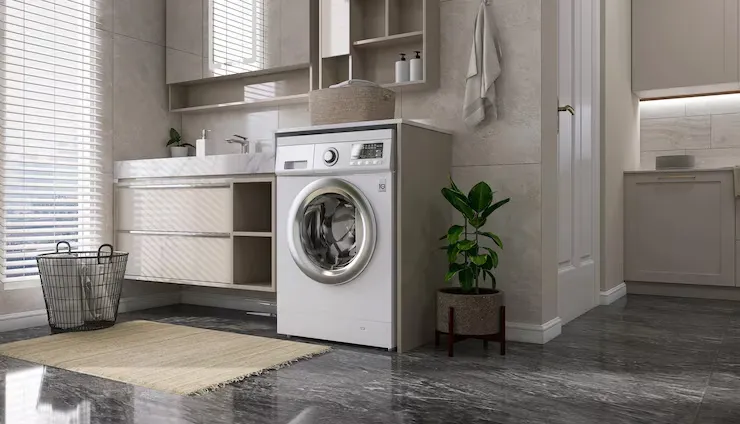
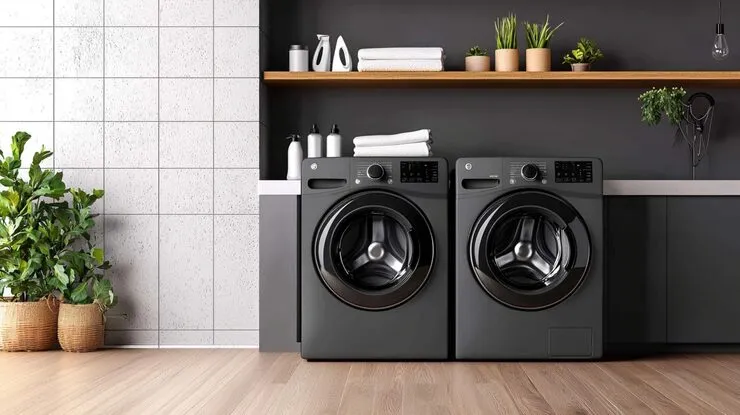
A freestanding washing machine is the most common type of laundry appliance. It is a standalone unit that does not require installation inside kitchen cabinetry.
The appliance sits directly on the floor and can be placed in kitchens, utility rooms, or laundry areas. Most models are front load washing machines, though top-load options exist in some regions.
Key Features
- Standalone design
- No cabinet door required
- Easy installation
- Available in many sizes and drum capacities
- Can be moved or replaced easily
Popular brands such as Bosch, Samsung, LG, Hotpoint, Beko, and Siemens offer many freestanding models with advanced energy efficiency ratings and modern washing programs.
Where Freestanding Machines Work Best
Freestanding appliances are ideal for:
- Utility rooms
- Open kitchens
- Rental properties
- Homes needing flexible appliance placement
Because they do not require built-in cabinetry, they are usually the most convenient option for quick installation.
What Is an Integrated Washing Machine?
An integrated washing machine, also called a built-in washing machine, is designed to be installed inside kitchen cabinets.
The appliance is hidden behind a cabinet door panel, allowing it to blend seamlessly with fitted kitchen appliances. This creates a clean, minimal design that many modern kitchens prefer.
Key Features
- Installed inside kitchen cabinetry
- Hidden behind cabinet doors
- Designed for fitted kitchens
- Requires cabinet hinge mounting
- Usually front-load design
Integrated appliances are commonly used in modern apartments and kitchen renovations, where a uniform design is important.
Freestanding vs Integrated Washing Machine: Quick Comparison
| Feature | Freestanding Washing Machine | Integrated Washing Machine |
|---|---|---|
| Installation | Standalone appliance | Built into kitchen cabinet |
| Visibility | Fully visible | Hidden behind cabinet door |
| Flexibility | Can be moved easily | Fixed installation |
| Cost | Usually cheaper | Usually more expensive |
| Capacity | Larger drum options | Slightly smaller capacity |
| Noise control | Standard | Often quieter due to cabinet enclosure |
| Repair access | Easier | Requires cabinet removal |
Both options perform the same core function, but the design and installation differences are important when planning a kitchen layout.
Pros and Cons of Freestanding Washing Machines
Advantages
Freestanding washing machines offer several practical benefits.
Easy installation
You only need a water supply, drainage, and power outlet. No cabinet modifications are required.
Lower cost
These appliances typically cost less than integrated models.
Typical price range in the UK:
- £250 – £900 depending on brand and capacity
More capacity options
Freestanding machines often offer larger drum capacity, including:
- 8kg
- 9kg
- 10kg
- 12kg models
Easy to repair
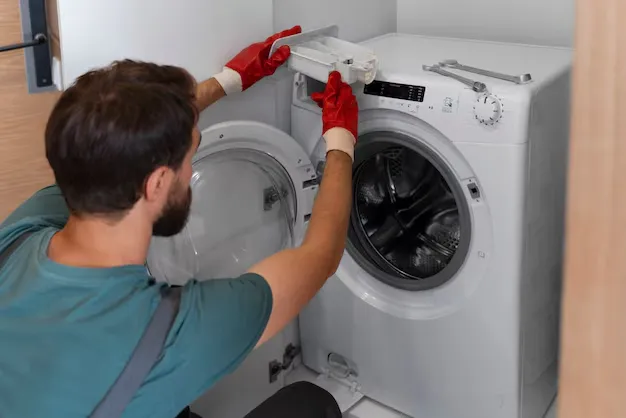
Appliance technicians can access components quickly without removing cabinetry.
Flexible placement
You can move the machine when relocating or redesigning the kitchen.
Disadvantages
Despite their convenience, freestanding machines have a few drawbacks.
- Visible appliance design
- May not match fitted kitchen style
- Slightly more vibration on some floors
Using anti-vibration pads and appliance leveling tools can reduce movement during high-spin cycles.
Pros and Cons of Integrated Washing Machines
Advantages
Integrated appliances are mainly chosen for aesthetic and design reasons.
Seamless kitchen appearance
The washing machine is concealed behind a cabinet door, matching other kitchen cabinets.
Ideal for fitted kitchens
Kitchen designers often recommend integrated appliances for a uniform look.
Reduced visual clutter
This is especially useful in small London apartments where the kitchen and living space may share the same room.
Quieter operation
Cabinet panels can slightly reduce washing machine noise levels.
Disadvantages
Integrated washing machines also come with some limitations.
Higher price
Typical UK price range:
- £400 – £1200 depending on brand
Complex installation
Installation requires:
- cabinet alignment
- hinge mounting
- proper appliance ventilation
Limited capacity
Most integrated machines range from 7kg to 9kg drum capacity.
Harder to repair
Technicians must remove the cabinet door panel before accessing the appliance.
Cost Comparison in London
When buying a washing machine in London, the total cost includes both the appliance and installation.
| Cost Factor | Freestanding Machine | Integrated Machine |
|---|---|---|
| Appliance price | £250–£900 | £400–£1200 |
| Installation | £30–£80 | £80–£150 |
| Cabinet modification | Not required | May be required |
| Repair access | Easy | More complex |
Many appliance stores in London also offer washing machine delivery and installation services.
Kitchen Design Considerations
The choice between integrated and freestanding appliances often depends on kitchen layout.
Small London Kitchens
In compact apartments or flats, integrated appliances can make the kitchen look less crowded.
Concealed appliances help maintain a minimal modern design, which is common in city homes.
Utility Rooms
If you have a separate laundry space, freestanding machines are usually more practical.
They allow easy maintenance and replacement.
Open-Plan Kitchens
In open-plan living areas, integrated appliances create a cleaner aesthetic by hiding the washing machine behind cabinetry.
Noise and Vibration Differences
Noise is another factor when choosing a washing machine.
Freestanding machines may produce slightly more vibration because they are not enclosed by cabinets.
Integrated appliances are installed tightly within cabinetry, which can reduce noise transmission.
However, modern freestanding machines from brands like Bosch, Samsung, and LG already feature:
- vibration control technology
- quieter motors
- improved spin stability
Proper leveling and anti-vibration pads can significantly reduce noise.
Installation Differences
Installing a Freestanding Washing Machine
Installation is relatively simple:
- Connect water supply hose
- Attach drainage pipe
- Plug into electrical outlet
- Level the appliance using adjustable feet
Most homeowners can install one with basic tools.
Installing an Integrated Washing Machine
Integrated machines require additional steps.
- Install appliance inside kitchen cabinet
- Align cabinet door panel
- Attach hinge mounting brackets
- Ensure proper ventilation
- Level appliance to prevent vibration
Because of the cabinet installation, many homeowners choose professional washing machine installation in London.
Maintenance and Repairs
Maintenance access is another important difference.
Freestanding Machines
Technicians can access the appliance easily from the back or sides.
This makes repairs faster and often cheaper.
Integrated Machines
Integrated appliances require:
- cabinet door removal
- cabinet panel adjustments
This increases repair time slightly.
Which Washing Machine Is Best for Small Kitchens?
For small London kitchens, integrated washing machines often work better because they:
- blend with kitchen cabinets
- reduce visual clutter
- create a streamlined design
However, if the kitchen already has space for appliances, a freestanding washing machine may be more practical and affordable.
Decision Guide: Which One Should You Choose?
Choosing the right washing machine depends on several factors.
Choose a Freestanding Washing Machine If
- You want a lower price
- You need larger drum capacity
- You prefer easy installation
- You may move the appliance later
- You have a utility room
Choose an Integrated Washing Machine If
- You have a fitted kitchen
- You want appliances hidden behind cabinets
- You prefer a minimalist design
- Your kitchen is part of an open-plan living space
Buying Tips for London Homeowners
Before buying a washing machine, consider the following:
Measure appliance dimensions
Ensure the washing machine fits the available space.
Check drum capacity
Families often need 8–10kg capacity.
Review energy efficiency rating
Higher energy ratings reduce electricity and water use.
Consider installation services
Many appliance retailers in London offer delivery and installation packages.
FAQs
What is the main difference between freestanding and integrated washing machines?
A freestanding washing machine is a standalone appliance placed anywhere with plumbing, while an integrated washing machine is installed inside kitchen cabinetry and hidden behind a cabinet door panel.
Are integrated washing machines better?
Integrated washing machines are not necessarily better, but they offer a cleaner kitchen design. Freestanding machines are usually cheaper, easier to install, and easier to repair.
Why are integrated washing machines more expensive?
Integrated washing machines cost more because they are designed for built-in installation and require additional cabinet fittings, hinge mounts, and specialized design for concealed kitchen appliances.
Can an integrated washing machine be used as freestanding?
No. Integrated washing machines are designed to be mounted inside cabinets. Using them without proper installation may cause vibration, ventilation issues, or damage.
Are integrated washing machines quieter?
Integrated machines can be slightly quieter because they are enclosed inside kitchen cabinets. However, many modern freestanding machines already feature advanced noise reduction technology.
What size washing machine fits a kitchen cabinet?
Most integrated washing machines are about 82 cm high, 60 cm wide, and 55 cm deep, designed to fit standard kitchen cabinet dimensions.
Can you replace a freestanding washing machine with an integrated one?
Yes, but you must have suitable kitchen cabinetry and enough space to install the appliance behind a cabinet door panel.
Which washing machine is best for rental properties?
Freestanding washing machines are usually better for rental properties because they are cheaper, easier to install, and easier to replace.
Conclusion
Understanding the difference between freestanding washing machines and integrated washing machines helps you choose the best appliance for your kitchen and lifestyle.
Freestanding machines are practical, affordable, and flexible, making them ideal for utility rooms, rental properties, and households that want easy installation.
Integrated washing machines focus on design and aesthetics, blending seamlessly with fitted kitchen cabinets and creating a clean modern look especially popular in London apartments and open-plan kitchens.
The best option depends on your budget, kitchen layout, and design preference. By considering installation requirements, appliance capacity, and long-term maintenance, you can confidently choose the washing machine that fits your home perfectly.